1-800-472-2141

Save money by using timers on block heaters
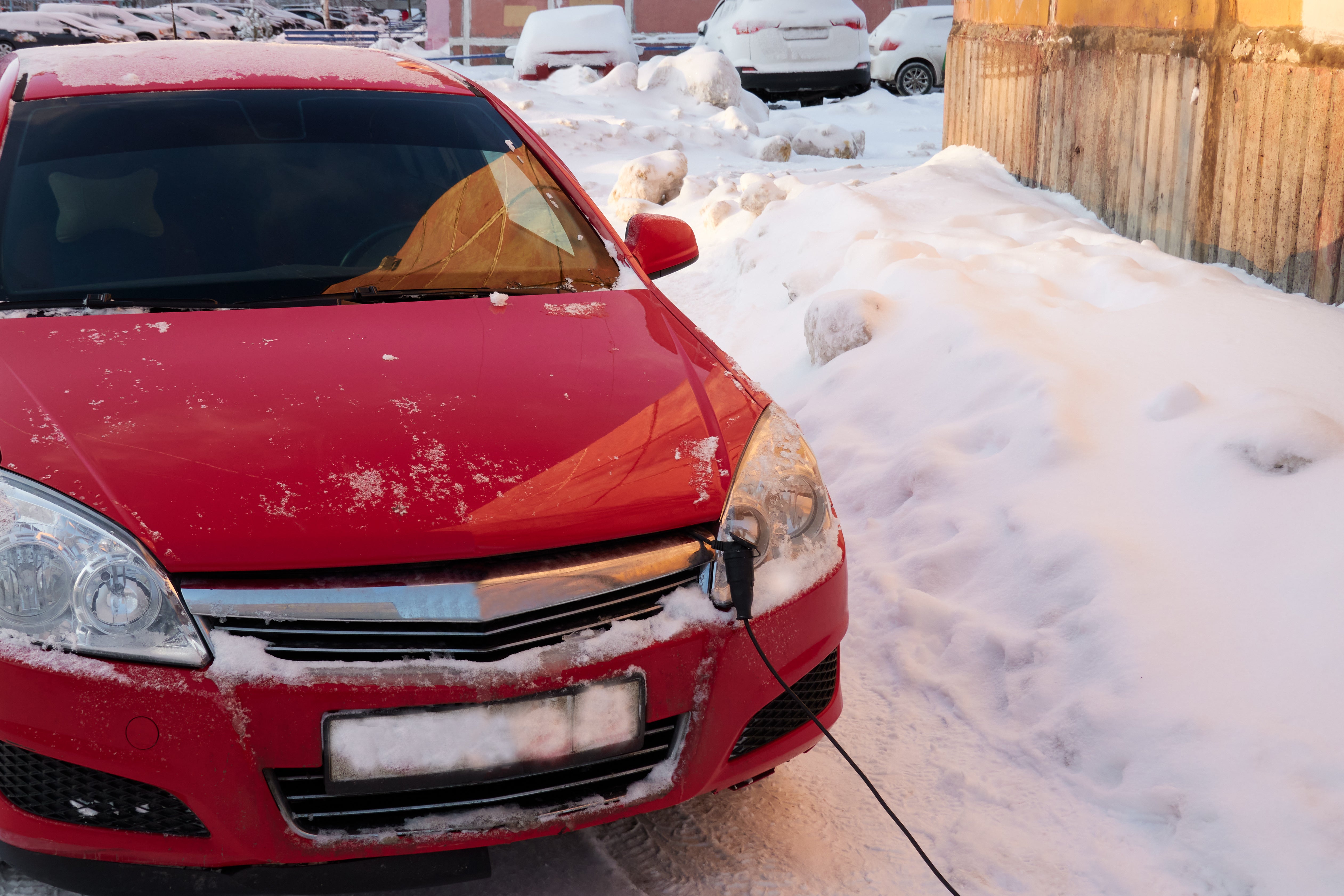
Stay warm and start smart: The power of block heater timers
When winter’s chill settles in, many drivers turn to block heaters to keep their engines warm overnight. Plugging in overnight helps engines start smoothly on frigid mornings, preventing thickened oil, sluggish starts, and wear and tear. But while block heaters are practical, leaving them plugged in all night can waste a surprising amount of electricity.
Smart heat, smaller bills
Most modern block heaters only need two to three hours to do their job, even in subzero conditions. That’s where a block heater timer comes in. Instead of running continuously overnight, the timer switches the heater on a few hours before your morning commute, delivering the same warm start with a fraction of the energy.
Consider the numbers
Without a timer, a block heater draws between 300 and 1,000 watts of electricity for every hour it’s plugged in. Run a 600-watt heater for 10 hours, and that uses 6 kilowatt-hours (kWh) of electricity. At 11 cents per kWh, that’s 66 cents per night – around $20 a month during the coldest stretch of winter. Add a second vehicle to the mix, the costs climb even higher.
The reality is, after those first few hours, the engine block doesn’t get any warmer. The heater simply continues cycling, consuming electricity without providing additional benefit. It’s like leaving your oven on long after a meal is cooked.
Support the grid
Timers don’t just save you money. They also ease the strain on the electric grid. Cold mornings often coincide with high electricity use as people make coffee, cook breakfast and turn up the heat. Using a timer helps spread out the demand for electricity, supporting energy reliability for your entire community.
Best of all, block heater timers are inexpensive – often under $20 – and can pay for themselves in a single winter.
This winter, stay warm and start smart. With a block heater timer, you’ll keep your engine ready to go while conserving energy and reining in costs.
Smart timer tips
Make the most of your block heater timer with these simple practices:
• Set it wisely: Two to three hours is usually enough, but in extreme cold (20 degrees below zero), extend it slightly.
• Keep it safe: Place the timer in a dry, weather-protected spot and use outdoor-rated cords.
• Stay consistent: If you leave at the same time daily, set it once and forget it.
• Double up: Do you have more than one vehicle? Put every block heater on a timer to multiply the savings.